About Liberia
Liberia, officially known as the Republic of Liberia, is situated on the West African coast. It shares borders with Sierra Leone to the northwest, Guinea to the north, Côte d’Ivoire to the east, and the Atlantic Ocean to the south-southwest. With a population of approximately 5 million people, it covers an area of 111,369 square kilometers (43,000 sq mi). While English serves as the official language, there are over 20 indigenous languages spoken, reflecting the diverse ethnic groups comprising more than 95% of the population. The capital and largest city of Liberia is Monrovia.
Healthcare System in Liberia
Liberia’s healthcare system heavily relies on international donor support. Many healthcare facilities are administered by the government, donors, or non-governmental organizations (NGOs), including faith-based organizations. Challenges within the health sector include weak supply chain management, particularly concerning the distribution and storage of pharmaceuticals and other supplies, as well as a shortage of human resources, notably doctors, specialists, pharmacists, and laboratory technicians. Essential medical equipment and pharmaceutical products are in limited supply, with frequent stock outages reported, especially in areas not currently supported by international donor agencies.
Undergraduate Medical Training in Liberia
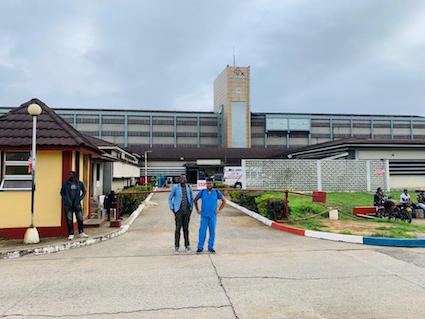
To pursue medical training in Liberia, individuals must first complete secondary education and obtain a bachelor’s degree in biology, chemistry, physics, or zoology before applying to medical school. The A. M. Dogliotti College of Medicine/University of Liberia is the sole institution offering medical training in Liberia, with a five-year duration following the completion of a bachelor’s degree. In 1971, the John F. Kennedy Memorial Hospital was established as the teaching hospital of the A. M. Dogliotti College of Medicine.
Postgraduate Training in Liberia
The Liberia College of Physicians and Surgeons, established by an Act of the National Legislature in 2012, aims to provide high-quality postgraduate medical education to address specialist gaps within the health workforce program of the country, thereby strengthening the health system. Modelled after the West African Postgraduate Medical Colleges, the College initially offered four traditional specialty programs : Internal Medicine, General Surgery, Obstetrics and Gynaecology and Paediatrics and has since expanded to include Family Medicine (2017), Ophthalmology (2018), and Psychiatry (2019). The Residency Training Arm of LCPS, formerly a college-based program, transitioned to hospital-based as of the academic year 2019, with the John F. Kennedy Medical Center (JFKMC) serving as the main teaching hospital.
Division of Urology
The Division of Urology currently consists of 2 Liberian Urologists and one Foreign National who quarterly provides postgraduate training, traveling from Nigeria to train residents in Open Urological procedures. General Surgery residents rotate in the division of urology for a maximum of three months. The division allocates a total of 10 bed spaces. The urology clinic operates every Thursday, seeing up to 30 patients on each clinic day
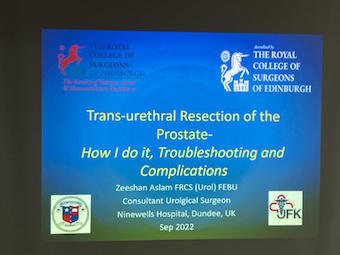
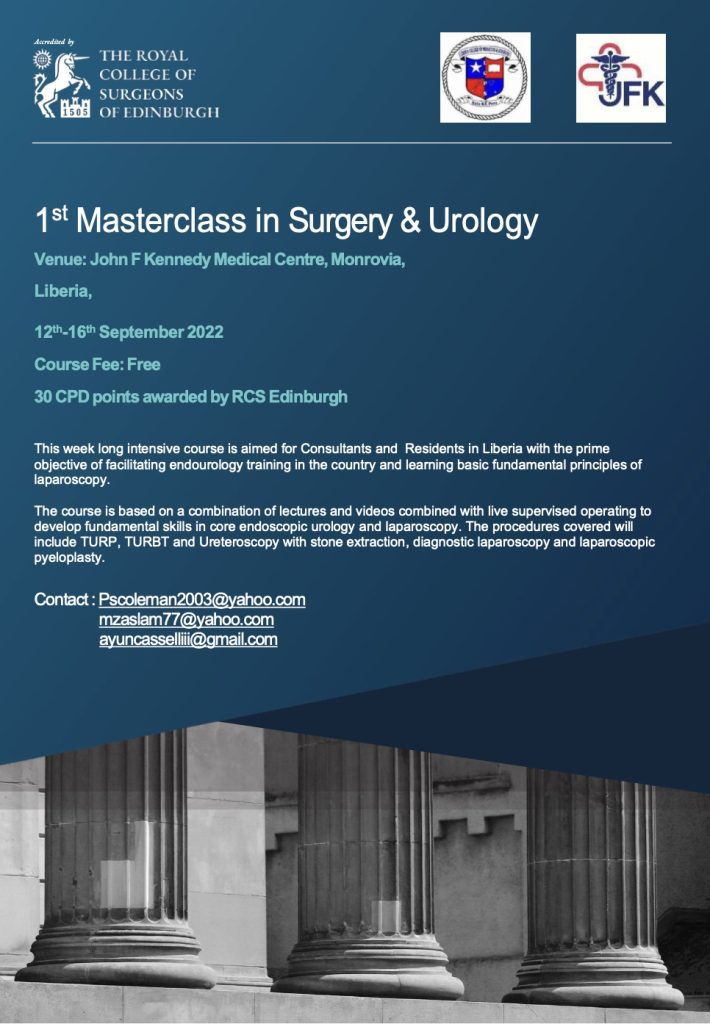
1st Workshop in EndoUrology and Basic Laparoscopy
11-16th September 2022
Accredited by Royal College of Surgeons of Edinburgh
Objectives
Surgical: To provide support for Endoscopic Urological Training and establish a robust foundation for implementing a Urology training program while enhancing surgical services at John F Kennedy Medical Centre (JFKMC), Monrovia.
Public Health: To gain insight into the overall healthcare system in post-conflict Liberia.
Visiting Team:
Zeeshan Aslam, UK
Travel grant supported by : Faculty of remote, rural and humanitarian healthcare (FRRHH), Royal College of Surgeons of Edinburgh,
Host Team:
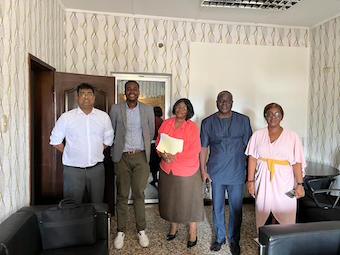
Professor Peter Coleman – Surgical Chair of JFKMC and Liberian College of Surgeons (LCPS) – Former Health Minister of Liberia.
Dr. Ayun Cassel: Consultant Urological Surgeon – Fellowship in Urology at HOGIP, Senegal.
Dr. Sherman: Consultant Surgeon and Dean A M Diglotti School of Medicine, University of Liberia.
Pre-Visit Preparations and Traveling to Liberia:
A busy schedule was meticulously organized for the visit, comprising a combination of lectures and live workshops, along with essential meetings.
The Workshop Experience:
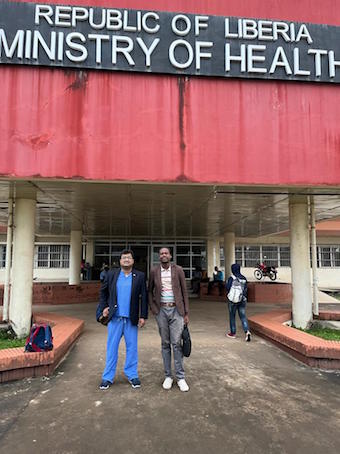
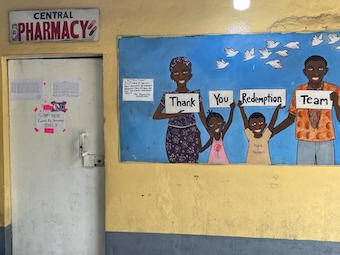
Day 1: The mission commenced with a visit to the Redemption Hospital, Monrovia’s only fully public sector hospital, which was found to be poorly equipped and struggling due to a lack of medical staff. Subsequent days involved meetings with hospital management and the Liberian College of Physicians and Surgeons (LCPS) to discuss plans for surgical training and long-term support.
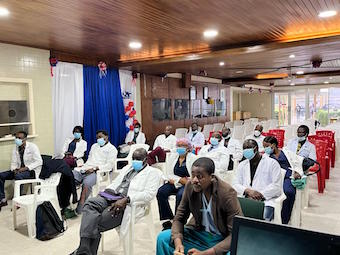
Day 2: Grand Rounds at JFKMC were followed by discussions on international collaborations to meet surgical demands in low and middle-income countries (LMICs). Meetings with hospital management and LCPS focused on developing surgical training programs and workshops.
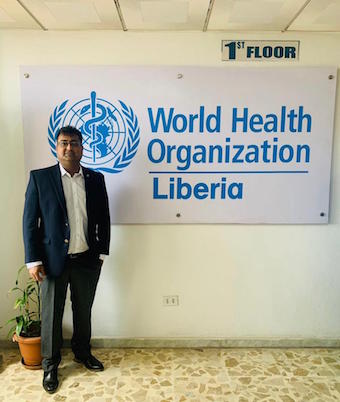
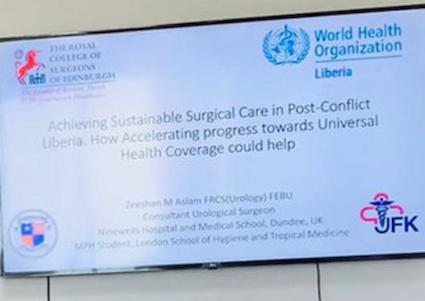
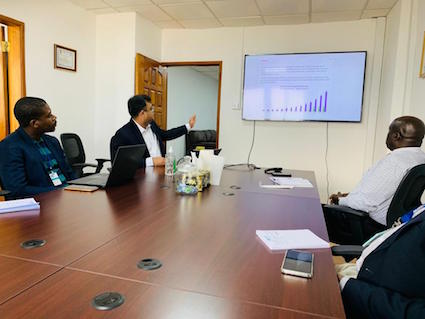
Day 3: Lectures on Endo-Urology were delivered with active participation from the Liberian team. A visit to the UN headquarters involved discussions with WHO Liberia office bearers on sustainable surgical care and achieving Universal Health Coverage (UHC).
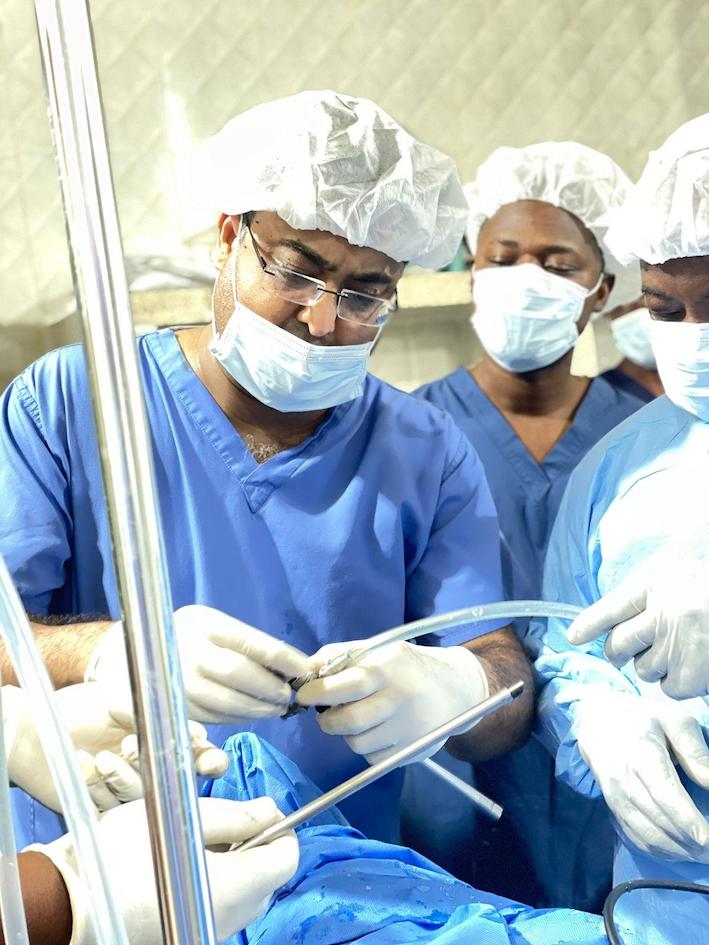
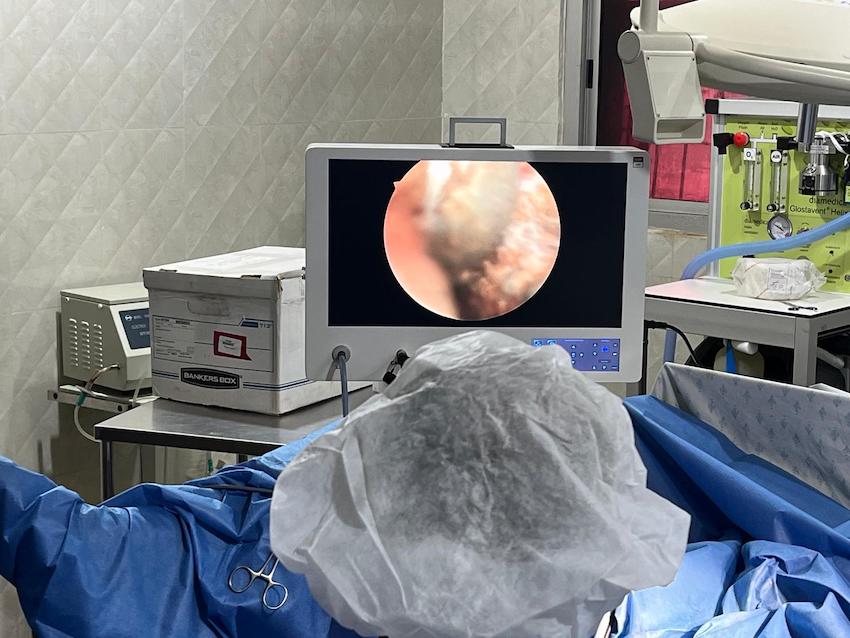
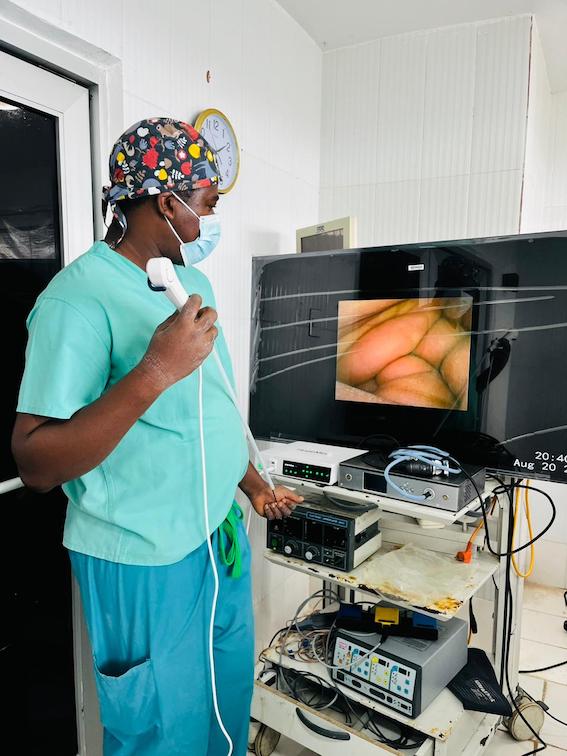
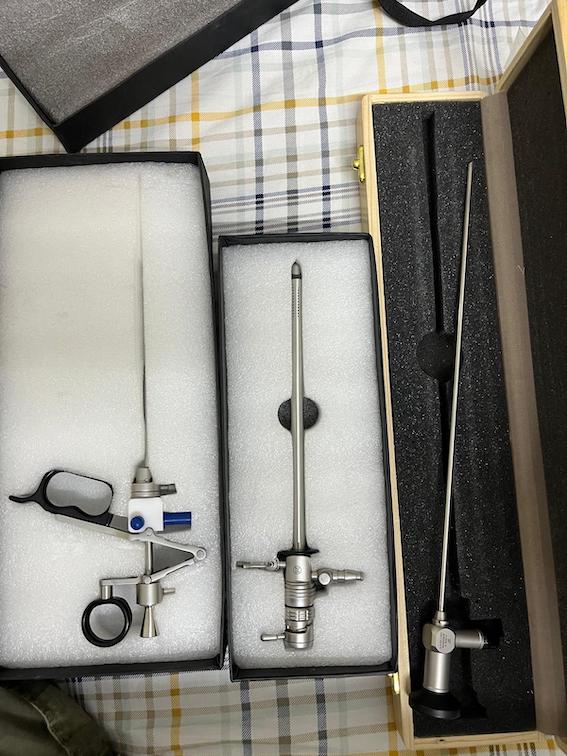
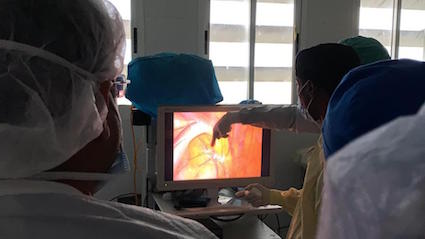
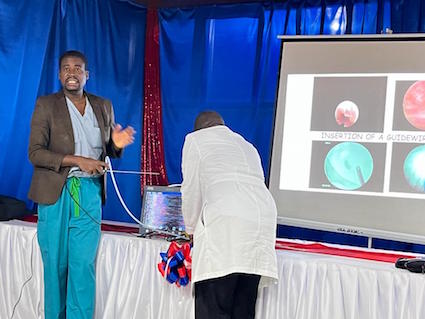
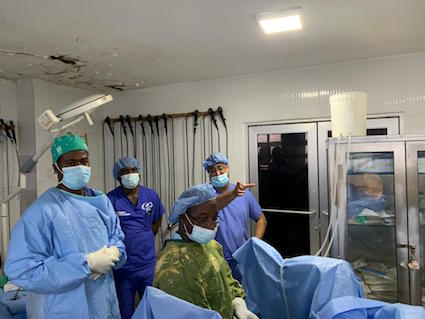
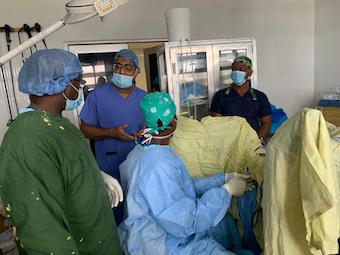
Days 4-6: The focus shifted to training, with lectures on Endo-Urology and basic laparoscopy. Endoscopic urology training included TURPs, TURBTs, and Ureteroscopy procedures competently performed by host team members. A diagnostic laparoscopy for an undescended testicle was successfully performed, providing insights into future laparoscopy training.
Other Observations:
Surgical services have improved in post-conflict Liberia, with training support from LCPS and overseas fellowships. However, further international collaborations are needed for future progress.
Progress during the workshop and future aims:
Endoscopic training commenced, with local consultants and residents already performing procedures safely. Basic laparoscopic procedures were considered safe, but further technology acquisition is advised. Future objectives include completing core urological services, capacity building with a Urology fellowship, and establishing a second Urology unit for a Liberian Urology training program.
Acknowledgement : We are grateful to Faculty of Remote, Rural and Humanitarian Healthcare (FRRHH) and Global Surgery Foundation of Royal College of Surgeons of Edinburgh towards providing financial grants to support this project.
2nd Outreach Workshop in Endoscopic Urology
John F Kennedy Medical Centre, Monrovia and Phebe Hospital, Bong County
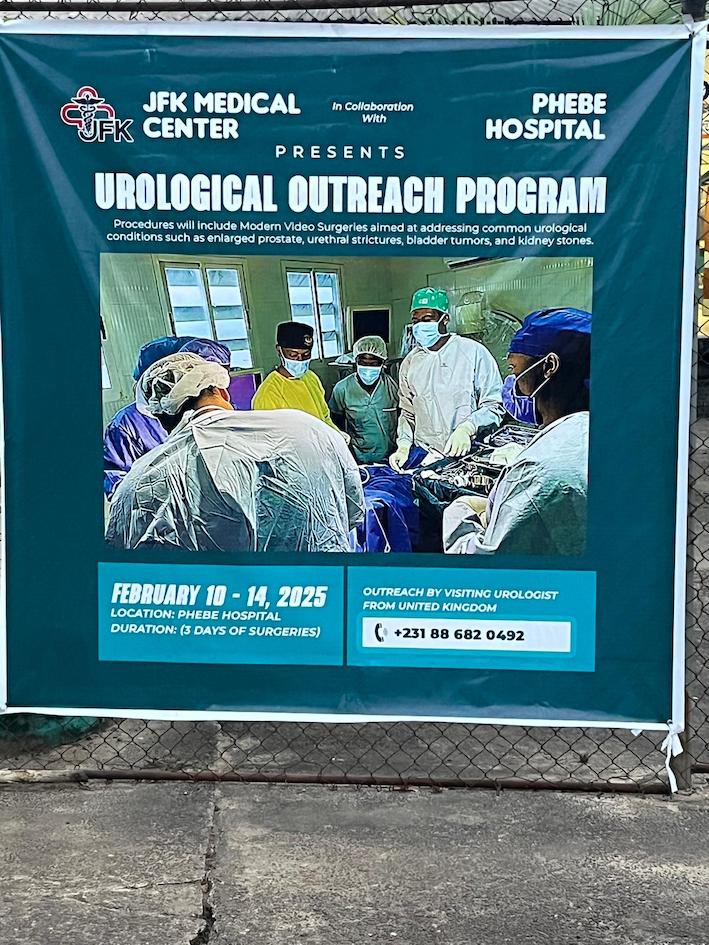
10-14th February 2025
The inaugural workshop held in September 2022 was a remarkable success. At that time, there was only one practicing urologist in the country, Dr. Ayun Cassell. It was also recognized that for JFKMC to provide the necessary depth and breadth of exposure for comprehensive urology training, establishment of Urology services in a nearby district would be very beneficial. Since then, with efforts of Professor Peter Coleman, the hospital management and the ministry of health and other stakeholders, two significant steps have been taken.
The first was the establishment of a 2-year Urology Fellowship at John F. Kennedy Medical Centre, the country’s primary training hospital. The number of urologists has increased from one in 2022 to three now, Dr Lavela Kortimai, who has completed his Urology MMed training in Nairobi and has joined JFKMC to bolster the services with Dr Cassell. Both of them are ably supported by Dr Solomane Konneh who has joined department after completing fellowship and Dr John T Sarboah, who continues to demonstrate keen interest in Urology even at a very junior level.
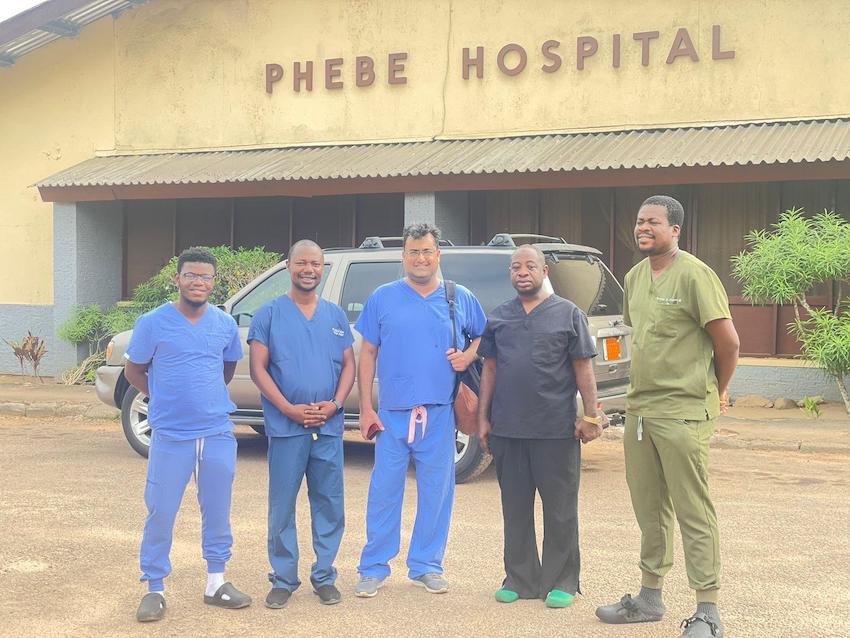
The second step involved identifying a second hospital as part of an outreach program to treat local patients and provide additional training opportunities for urologists. Phebe Hospital in Bong County was selected due to its proximity to Monrovia and high case load. The hospital primarily serves a rural population with limited access to healthcare and currently has no urologists or endoscopic urological services. Urological emergencies are managed by the general surgeons. The workshop was predominantly conducted at Phebe Hospital.
Through careful planning, a comprehensive five-day workshop was organized. The host team prepared a suitable number of cases for training, and urological equipment and endoscopic systems were transported from JFKMC to Phebe Hospital, which currently lacks Urological equipment.
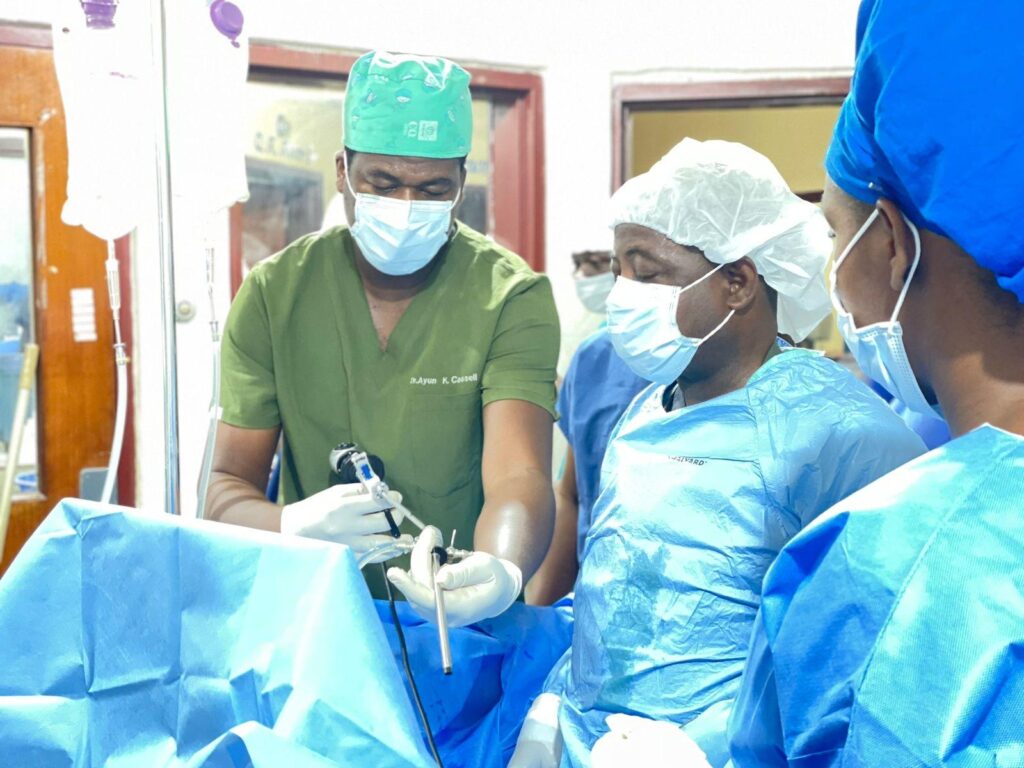
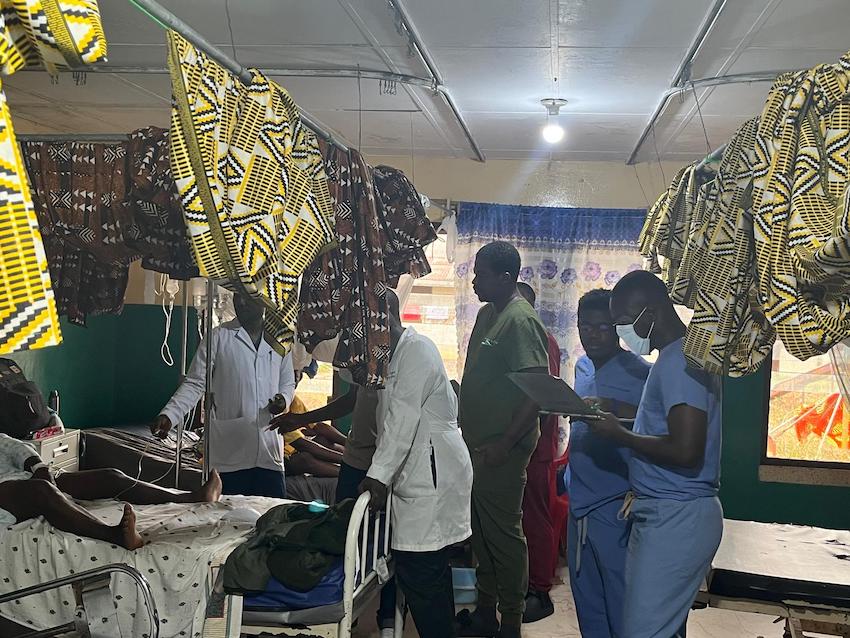
The workshop began at JFKMC with Grand Rounds. In the afternoon, we traveled to Bong County. The evening was dedicated to setting up equipment in the operating theatres and planning the case schedule. The rest of the week focused on hands-on training in TURPs for enlarged prostates and optical urethrotomies for urethral strictures. Having two parallel operating theatres exclusively for urology significantly enhanced the training experience. Overall, approximately 14 cases were successfully completed without any major complications. We also conducted morning ward rounds, communicated postoperative plans to the surgical teams, and provided consultations for two female patients with urinary incontinence and one male patient with Fournier’s Gangrene, with follow-up plans arranged at JFKMC. The local team reported that performing multiple cases in a short period greatly improved their skills and confidence, and they now feel prepared to operate these procedures independently.
A strong collaboration has been established between Phebe Hospital and JFKMC. The host team plans to continue outreach workshops every 4–6 months, potentially integrating Phebe Hospital into Liberia’s urological training program if feasible. This provides a valuable opportunity for incoming fellows at JFKMC to gain extensive urological experience across both locations. Feedback from the Phebe Hospital team indicated that, from the patients’ perspective, this initiative has been extremely beneficial, offering rural patients access to modern endoscopic techniques that promote quicker recovery and reduce complications.
Acknowledgement : We are most grateful to RCS Edinburgh Global Surgery Foundation, for the grant award which helped purchase modern endoscopic equipment not only facilitating the workshop but continues to help provide Urological services at JFKMC.