Korle Bu Teaching Hospital
23-27th September 2024
Founded in 1923, Korle Bu Teaching Hospital (KBTH) is recognized as Ghana’s premier tertiary care center and the third largest hospital in Africa. With a capacity of 2,000 beds, it serves not only Ghanaian patients but also referrals from several neighboring West African countries.
The hospital offers advanced medical treatments across various subspecialties, including Neurosurgery, Pediatric Surgery, Dental and Maxillofacial Surgery, Ophthalmology, ENT, Renal, Orthopedics, Oncology, Dermatology, Reconstructive Plastic Surgery, Cardiothoracic Surgery, Urology, and Radiotherapy & Nuclear Medicine. Its training programs are among the best in the region, accredited by the West African College of Surgeons, with a strong focus on both clinical practice and academic development.
Department of Urology at KBTH
The department is led by Professor James Mensah, a visionary leader focused on future growth. He appointed Drs. Isaac Asiedu and Kenneth Klufio to spearhead the laparoscopic service. The department comprises six consultants providing comprehensive urological care covering areas
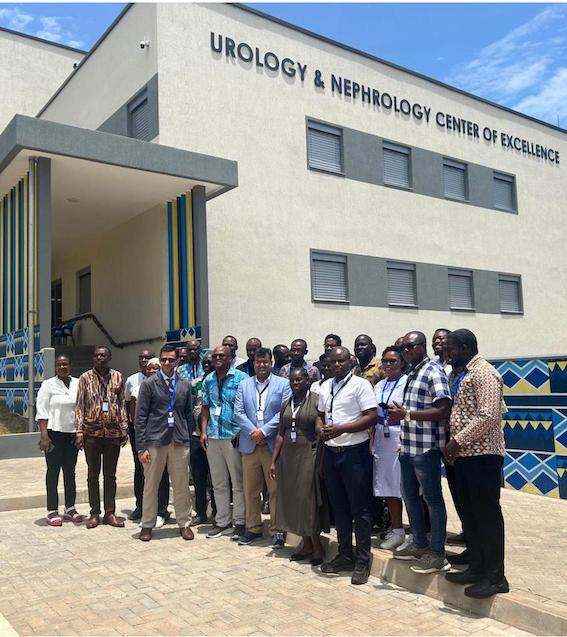
such as Uro-oncology, End-urology, Pediatric Urology, Reconstructive Surgery, Andrology, and Renal Transplantation. Recently, the department inaugurated a state-of-the-art Urology and Nephrology Centre, comparable to top facilities globally. It runs a West African College of Surgeons-accredited training program in Urology, regarded as one of the best in sub-Saharan Africa. The department has significant potential to expand laparoscopic services and establish itself as a training hub in the years ahead.
The Workshop Experience
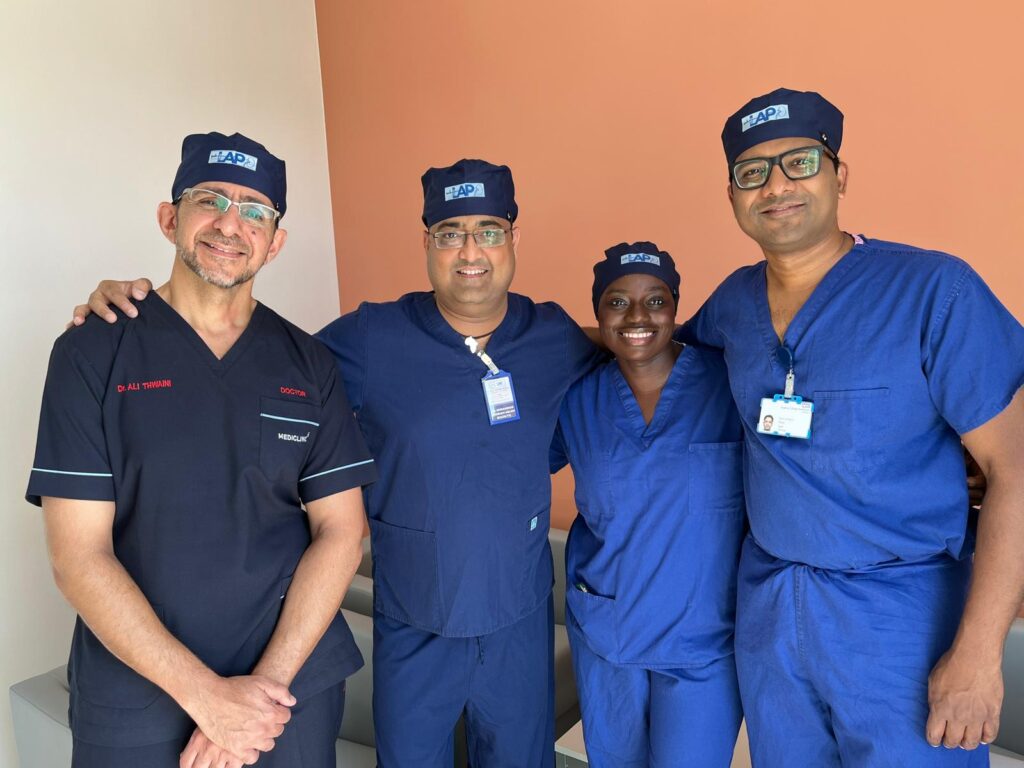
Faculty:
Zeeshan Aslam – UK
Ali Thwaini – UAE
Elsie Mensah – UK
Johann Boaz – UK
A week-long intensive workshop was planned at Korle Bu Teaching Hospital, modeled after previous successful initiatives in Senegal. The goal was to establish a recurring workshop every 6 to 12 months, with the first held from September 23rd to 27th, 2024.
Pre-Workshop Preparations
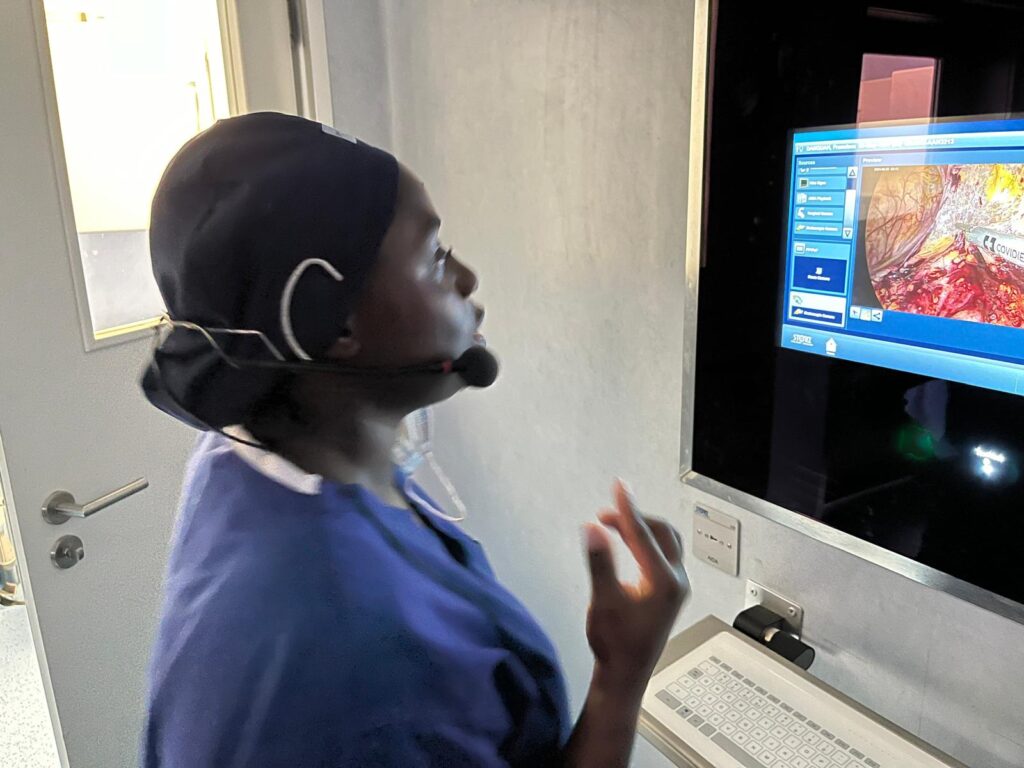
The most inspiring aspect was the hospital department’s strong commitment and support, which led to the early opening of the new facility for hosting the workshop—weeks before its planned inauguration. The structured five-day program covered fundamental topics in minimally invasive surgery, including lectures, simulations, and live surgical procedures. The host team arranged for a nationwide Zoom link to broadcast the sessions live. All equipment was checked in advance, and the team demonstrated full self-sufficiency in logistical preparations.
Workshop Week
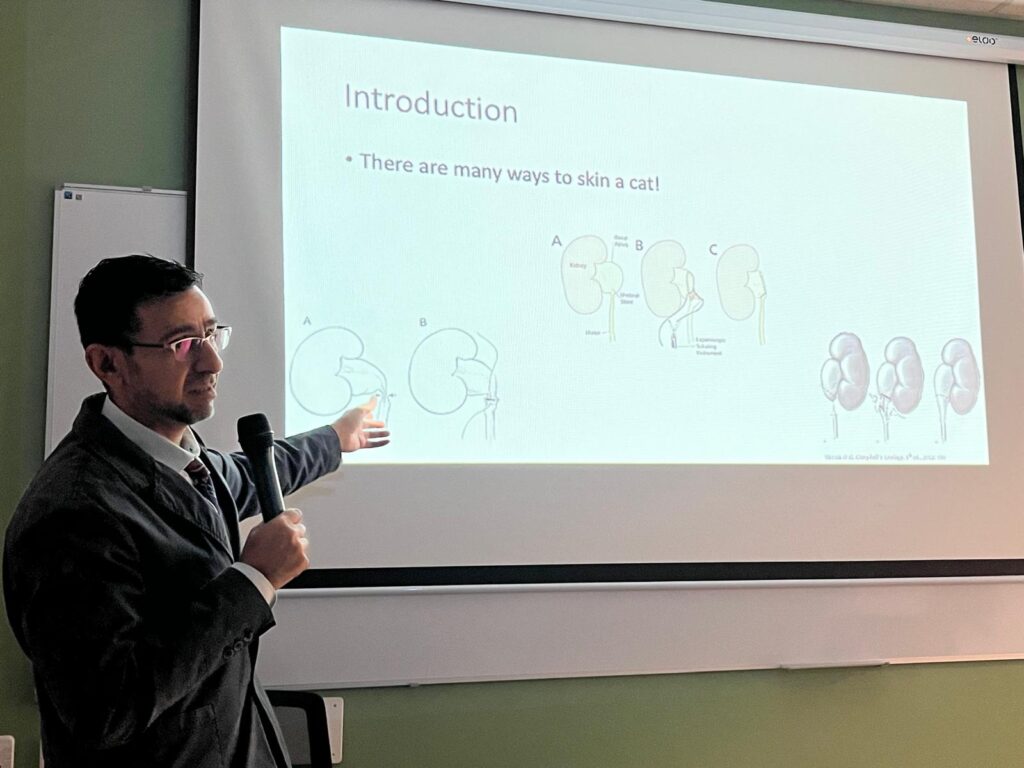
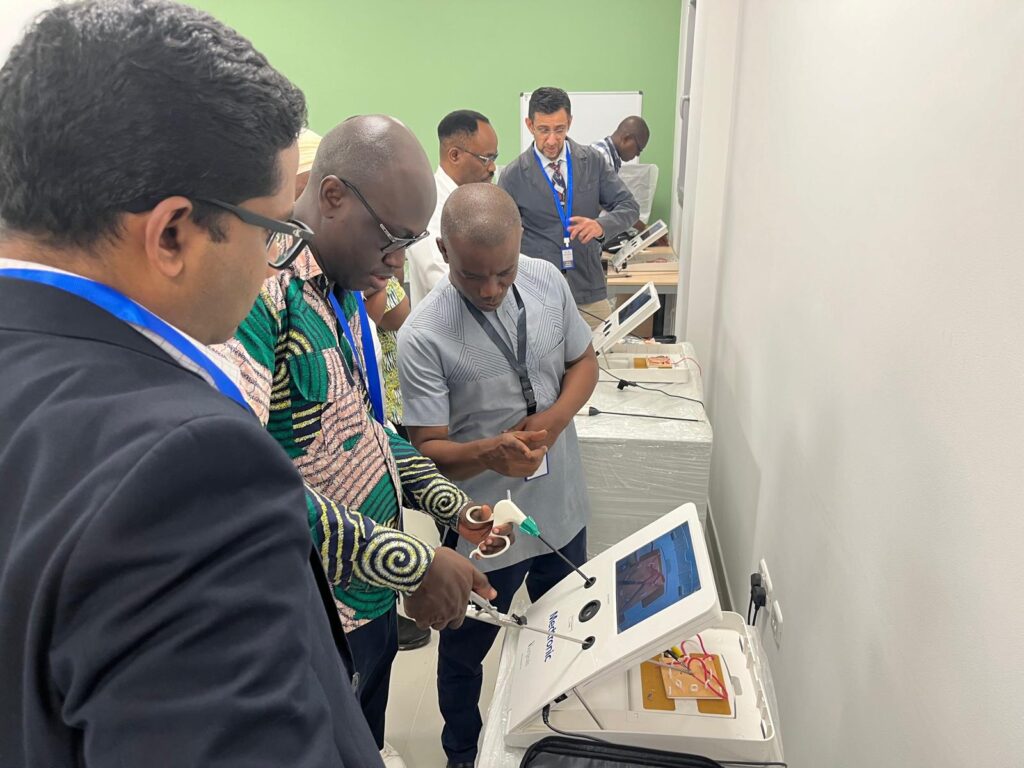
On the first morning, Professor Mensah led a tour of the new center, showcasing its impressive structure, comprehensive facilities, and attention to detail—an encouraging sign of the department’s dedication to advancing urological care. This reinforced confidence in the project’s sustainability. Throughout the week, mornings were dedicated to lectures on core laparoscopic principles, followed by simulation exercises for residents who practiced continuously. Support from the local Medtronic team ensured the availability of high-quality laparoscopic simulators.
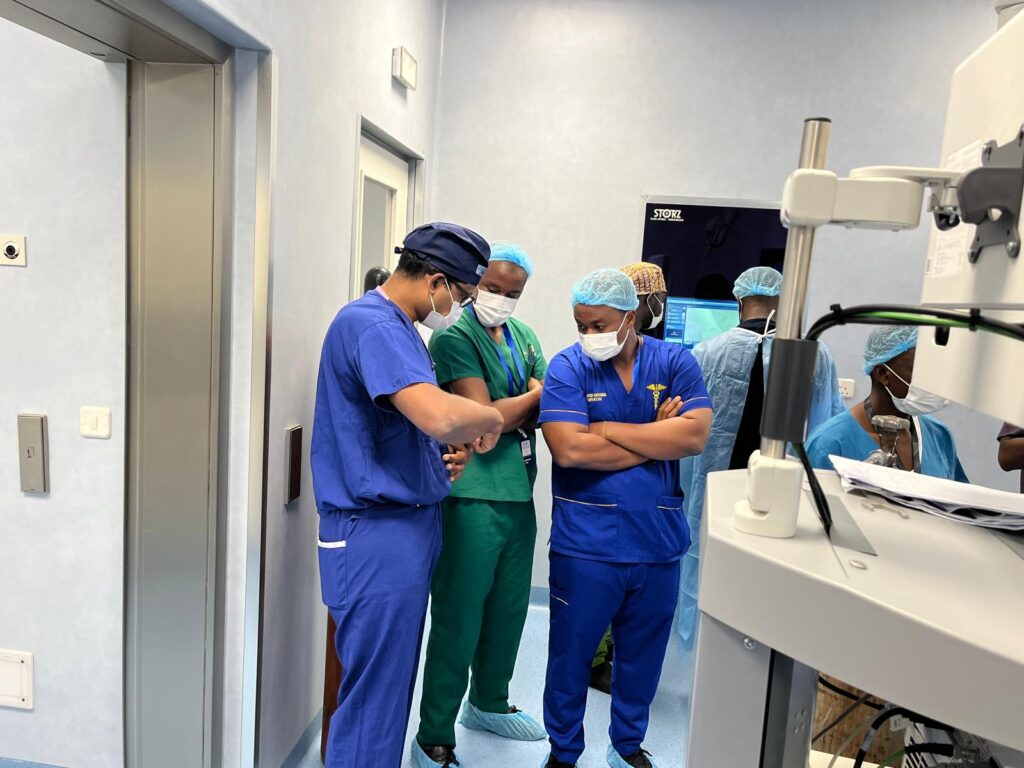
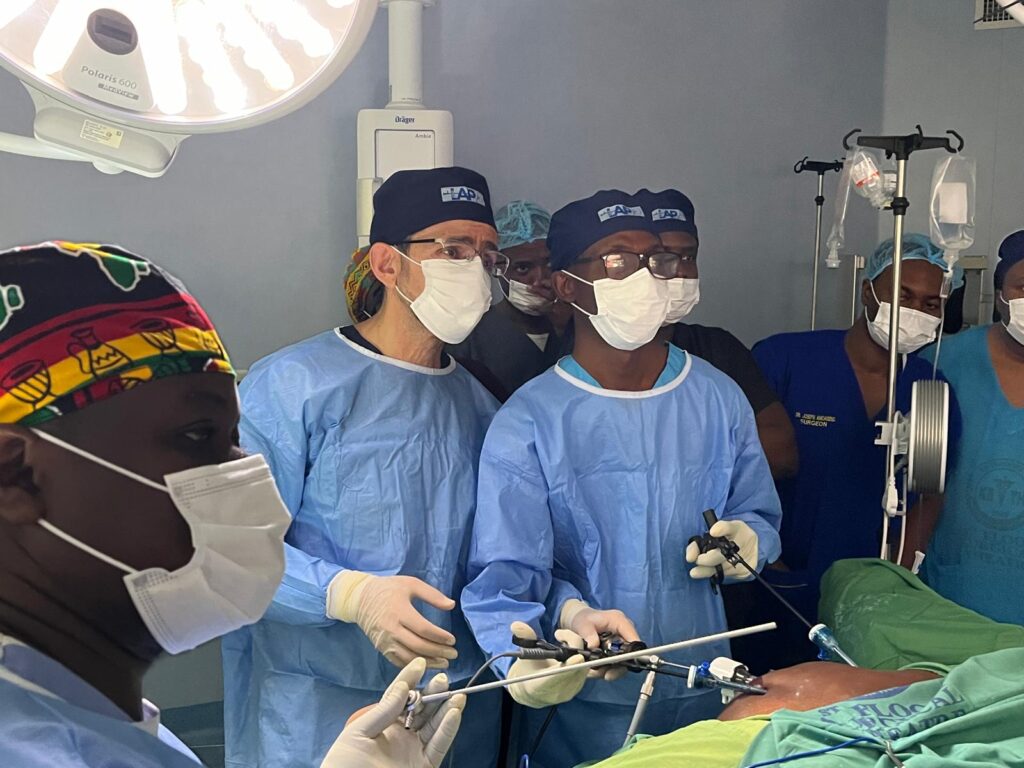
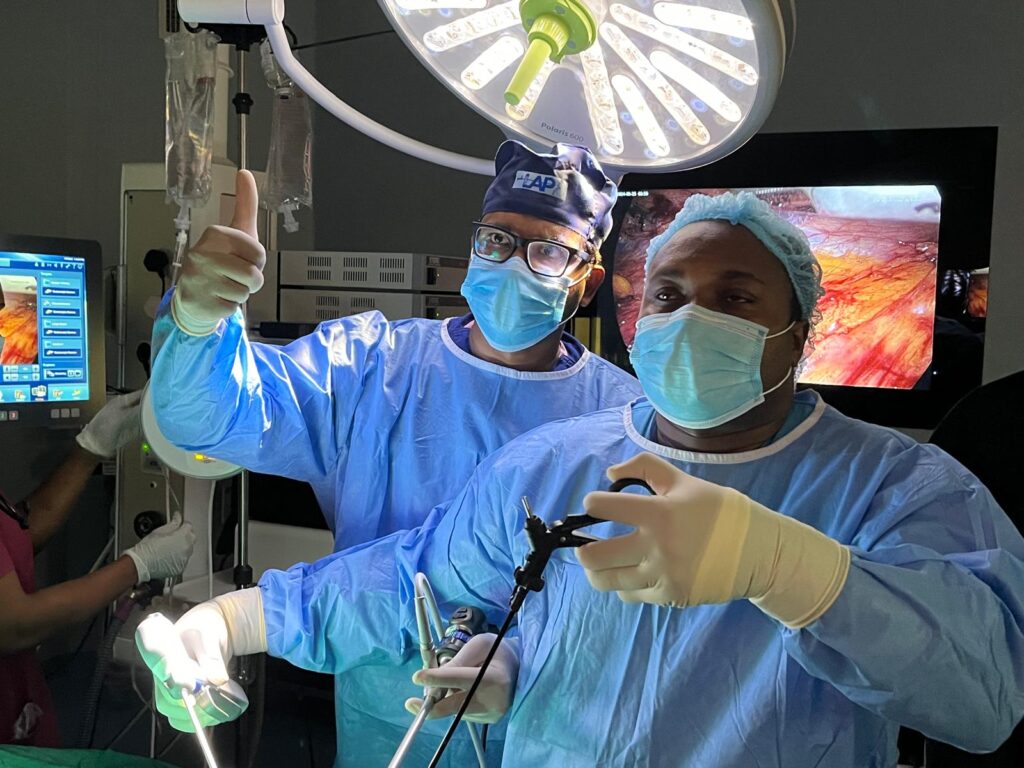
The workshop’s first live case, performed by Dr. Isaac under supervision, was a laparoscopic renal cyst decortication—a flawless start. This was followed by cases including laparoscopic varicocele repair and diagnostic laparoscopy for an undescended testicle. These
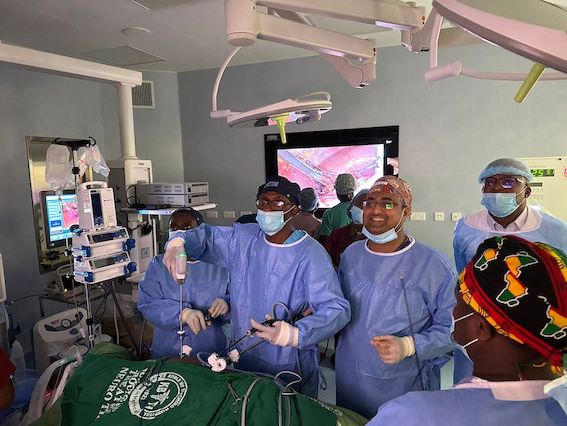
cases served to introduce basic skills such as patient positioning, port placement, bowel mobilization, and instrument handling. The rest of the week focused on hands-on training with Drs. Isaac and Kenneth, gradually progressing to more advanced procedures like laparoscopic nephrectomy and pyeloplasty. Supervision was primarily provided by the visiting team, with particular emphasis on developing laparoscopic suturing skills, an advanced technique. The concept of “training the trainer” was implemented, with two senior consultants being
mentored to work together.
All approximately 14 procedures were completed laparoscopically without complications. The host team showed marked improvement in skills and confidence. Patients experienced quick recoveries, shorter hospital stays, less postoperative pain, and early mobilization compared
to open surgeries.
Positives from the Workshop:
The surgeons demonstrated not only the ability to learn and retain skills, ensuring safe operating practices, but also a strong commitment to establishing KBTH as a center of excellence in laparoscopy.
Faculty observed that the team has achieved a sufficient level of competency to begin independent surgeries, starting with simpler cases to refine their fundamental skills before the next workshop.
The anesthetic team displayed excellent knowledge and skills in laparoscopic anesthesia, supporting the surgical process—a critical component for success. Residents showed remarkable enthusiasm and dedication to laparoscopic techniques, essential for the future growth of minimally invasive surgery in the region. The scrub team exhibited a solid understanding of laparoscopic procedures and proper instrument management, enhancing equipment longevity. Importantly, the department has a strong presence not only at KBTH but also within Ghanaian urology, equipped with the necessary resources to
sustain these services.
Our first workshop exceeded the success of any previous efforts I have undertaken. The young host team demonstrated tremendous potential and dedication. We plan to conduct two additional workshops in 2025, focused on nephrectomies and pyeloplasties, with the goal of providing them with sufficient experience to achieve proficiency in these procedures and to establish sustainable services.
Workshop Video Briefing :
Gallery